Pest Problem? Start With a Clear Plan
Found ants in the kitchen, mice in the basement, or mud tubes on a foundation wall? You need a next step, not a pile of ads.
Likelyhelpful Pest Control is a referral service. We connect homeowners in California, PA and the California area with independent pest control providers. The providers inspect and treat. Likelyhelpful Pest Control does not.
Here is the process. You send a short request. Name the pest, the part of the house, and when you first noticed it. A provider in our network reviews it and follows up with next steps. You compare what you hear, ask questions, and decide. There is no obligation.
Timing matters. Cold, snowy winters push mice and rats indoors. Spring snowmelt and repeated thaws open small gaps and soak the soil, which draws ants and termites toward the house. Knowing the season helps you and the provider pick the right method.
Ready to start? Request an estimate.
Get Started
Prefer to talk first? Request a callback to check provider availability. Call hours vary by provider.
How It Works
A referral service, not a contractor
Likelyhelpful Pest Control matches homeowners with independent providers. We do not spray, trap, seal or inspect. The provider you speak with does that work, sets the price, and explains the plan. Our job is the introduction.
Why the calendar drives the schedule
Pests follow the weather. In winter, mice and rats look for warm walls and quiet basements. In spring, snowmelt saturates the ground and pushes ants and termites toward foundations. Summer brings ants, spiders and crickets. Fall is when rodents move in. Coastal storms add moisture and send insects indoors.
A provider who knows the local calendar can tell you whether to treat now or wait, and what to do in the meantime.
What to put in your request
A short, specific request gets a better first conversation. Include:
- The pest you see, or a description if you are unsure
- Where you see it: kitchen, basement, attic, wall, yard
- When it started and whether it is getting worse
- Your home type, such as a Cape, a multi-family or an older stone-foundation house
Two services, one starting point
Pest Control Services cover common household pests: ants, spiders, roaches, crickets, mice and rats. Many providers also offer bed bug treatment and wildlife removal. Mention either in your request.
Termite Treatment targets wood-destroying insects. It starts with an inspection. If activity is found, the provider explains the method, the area covered and the follow-up plan.
Decide on your terms
Ask for the scope in writing. Compare what each estimate includes, not only the total. Take your time. You never have to hire anyone you hear from.
Serving California and Nearby
Likelyhelpful Pest Control focuses on California, PA and the California area. The housing here shapes the pest problem, and local providers know it well.
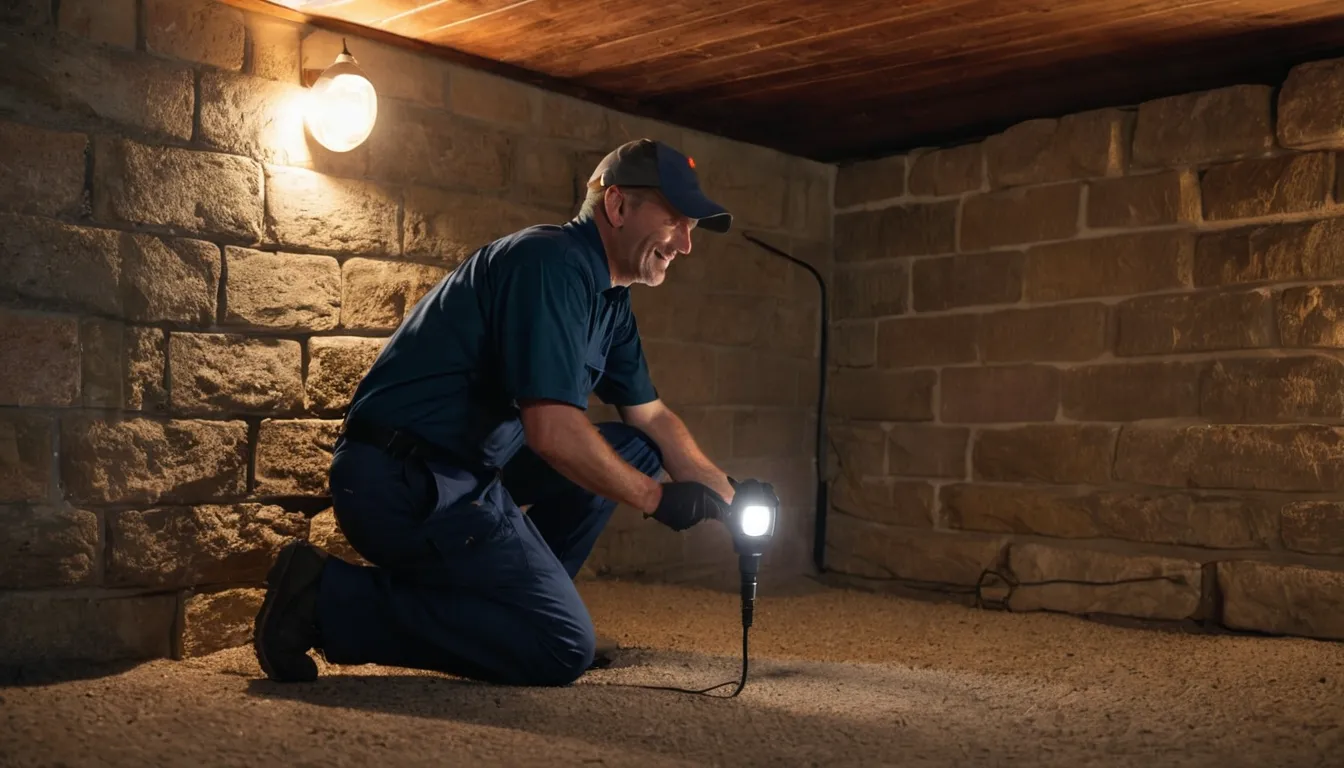
Older homes often have stone and block foundations. Over the years, mortar cracks and small gaps appear. Mice need only a narrow opening. Ants and termites use the same cracks to reach wood and moisture.
Full basements add another factor. They stay cool and damp after snowmelt and coastal storms. That draws crickets, spiders, roaches and, in some cases, termites. Cape Cod style homes have low attic spaces and tight eaves. Squirrels, bats and other wildlife can settle in unnoticed.
Multi-family buildings bring a different challenge. Pests travel through shared walls, pipes and utility chases. Treating one unit may not solve the problem. A provider can explain whether neighboring units or the landlord should be involved.
If you live anywhere in the California area, send a request and tell us your street-level details, such as the building type and age. That helps the provider prepare before the visit.
Get Started
You can also Request a callback to check provider availability for your part of the California area.
Seasonal Pest Tips for Homeowners
Winter: rodents move in
Cold and snow send mice and rats looking for warmth. Listen for scratching in walls at night. Check for droppings near the furnace, water heater and stored boxes. Early winter is the easiest time to find entry points.
Spring: snowmelt and thaw
Melting snow soaks the soil around foundations. Ants become active. Termite swarmers may appear near windows or lights. Winged insects inside the house are worth a closer look, since ants and termites can look alike.
Summer: ants, spiders, crickets
Warm weather drives most insect activity. Trim shrubs away from siding. Fix leaky outdoor spigots. Store pet food in sealed containers. Small habits cut down on repeat visits.
Fall: sealing up before the cold
This is the window to close gaps before rodents arrive. Look at door sweeps, vent covers, utility entries and the foundation line. A provider can point out spots you might miss.
Older homes and foundations
Stone and block foundations settle over time. Freeze and thaw cycles widen cracks. Wood that touches soil or stays damp is an invitation for termites. Keep wood stacks and mulch away from the house.
Bed bugs and other indoor pests
Bed bugs travel on luggage, clothing and used furniture. Signs include small dark spots on mattress seams and itchy bites in a line. Bed bug treatment is a specialist job. Ask the provider how many visits to expect.
Wildlife in attics and walls
Noise at dusk or dawn can mean squirrels, raccoons or bats. Wildlife removal often involves exclusion, which means sealing the entry after the animal is out. Ask the provider about humane methods and local rules.
Comparing estimates
Get the scope in writing. Check which pests are covered, how many visits are included, and what follow-up looks like. Costs vary by job, so a written quote beats a phone guess. Then decide without pressure.
Request Your Estimate
Tell us what you are seeing. A short description is enough. Likelyhelpful Pest Control will connect you with a local provider in our network, and you decide what happens next.
Get Started
Would you rather talk it through? Request a callback to check provider availability. Call hours vary by provider. You can also email contact@likelyhelpful.garden with your question.